What is a Forex Broker?
The foreign exchange market, commonly known as forex or FX, represents the world’s largest and most liquid financial market, with daily trading volumes exceeding $7 trillion. At the heart of this dynamic marketplace stands the forex broker—your gateway to participating in global currency trading.
A forex broker is a financial services company that provides traders with access to platforms for buying and selling foreign currencies. These brokers act as intermediaries between retail traders and the interbank forex market, offering the technological infrastructure, liquidity, and regulatory oversight necessary for secure currency trading. In 2026, the role of forex brokers has evolved significantly, with leading platforms now offering advanced AI-powered trading tools, comprehensive educational resources, and multi-asset trading capabilities that extend beyond traditional currency pairs.
What is Forex Trading?
Forex trading involves the simultaneous buying of one currency while selling another, with the goal of profiting from fluctuations in exchange rates. Unlike stock markets, the forex market operates around the clock during weekdays, allowing traders from Dubai to New York to participate at their convenience. The market consists of currency pairs such as EUR/USD (Euro/US Dollar), GBP/JPY (British Pound/Japanese Yen), and countless others.
Traders engage in forex for various reasons: some seek to profit from short-term price movements (speculation), while others use forex to hedge against currency risk in international business transactions. The accessibility of forex trading has increased dramatically, with many brokers now allowing traders to start with minimal capital, sometimes as low as $10.
How Does a Forex Brokerage Account Work?
Opening a forex brokerage account is your first step toward currency trading. The process typically involves:
- Account Registration: Providing personal information and verifying your identity according to Know Your Customer (KYC) regulations
- Funding: Depositing funds using various methods, including bank transfers, credit cards, or e-wallets
- Platform Access: Gaining access to trading platforms such as MetaTrader 4/5, cTrader, or proprietary platforms
- Trading: Executing buy and sell orders on currency pairs of your choice
- Management: Monitoring positions, managing risk, and withdrawing profits
The best forex brokers in 2026 offer seamless account opening experiences, often completing the entire process within hours. Many brokers serving the UAE market now provide AED-denominated accounts, making deposits and withdrawals more convenient for local traders.
How to Choose a Forex Broker
Selecting the right forex broker is arguably the most critical decision you’ll make as a currency trader. With hundreds of brokers competing for your business, understanding the key differentiators will help you find the perfect match for your trading style and goals.
Regulatory Compliance
Regulation should be your number one priority. A properly regulated broker operates under the supervision of financial authorities that enforce strict standards for client fund protection, business conduct, and transparency.
In the UAE, three primary regulators oversee forex brokers:
- Dubai Financial Services Authority (DFSA): Regulates brokers operating within the Dubai International Financial Centre (DIFC)
- Financial Services Regulatory Authority (FSRA): Oversees firms in Abu Dhabi Global Market (ADGM)
- Securities and Commodities Authority (SCA): Regulates mainland brokers throughout the UAE
Global regulatory bodies that indicate a trustworthy broker include:
- Financial Conduct Authority (FCA) – United Kingdom
- Australian Securities and Investments Commission (ASIC) – Australia
- Cyprus Securities and Exchange Commission (CySEC) – Cyprus
- Commodity Futures Trading Commission (CFTC) and National Futures Association (NFA) – United States
Top brokers often hold multiple licenses across jurisdictions, demonstrating their commitment to regulatory compliance. Always verify a broker’s license directly through the regulator’s official website before opening an account.
Leverage and Margin Amounts
Leverage allows traders to control larger positions with smaller amounts of capital. For example, with 100:1 leverage, a $1,000 deposit allows you to control a $100,000 position. While leverage can magnify profits, it equally amplifies losses.
In 2026, leverage regulations vary by jurisdiction:
- UAE brokers: Typically offer leverage up to 400:1 for experienced traders
- European brokers: Limited to 30:1 for major currency pairs under ESMA regulations
- Australian brokers: Recently implemented leverage caps
- Offshore brokers: May offer leverage exceeding 1000:1, though this comes with increased risk
When choosing a broker, ensure the leverage options align with your risk tolerance and trading strategy. Conservative traders might prefer lower leverage (10:1 to 50:1), while experienced scalpers may require higher leverage for their strategies.
Spread and Commission Rate
Trading costs directly impact your profitability. Brokers earn revenue through two primary models:
Spread-Only Accounts: The broker marks up the difference between the buy and sell price. For example, if EUR/USD has a 1.2 pip spread, you pay $12 per standard lot traded.
Commission-Based Accounts: Brokers offer raw spreads (sometimes starting from 0.0 pips) and charge a fixed commission per trade, typically ranging from $2.50 to $7 per side per standard lot.
Leading brokers in 2026 offer highly competitive pricing:
- Tight spreads: Major pairs like EUR/USD starting from 0.1-0.8 pips
- Transparent commissions: Clearly disclosed commission structures
- No hidden fees: All costs outlined upfront
For active traders and scalpers, commission-based accounts with raw spreads typically provide the best value. Occasional traders might prefer spread-only accounts for their simplicity.
Deposits and Withdrawals
A broker’s deposit and withdrawal policies reveal much about their customer service philosophy. Key considerations include:
- Minimum deposits: Range from $10 to $10,000 depending on account type
- Funding methods: Bank transfers, credit/debit cards, e-wallets (Skrill, Neteller), cryptocurrency
- Processing times: Instant deposits vs. 1-5 business days for withdrawals
- Fees: Some brokers charge withdrawal fees or currency conversion fees
- Local payment support: UAE traders benefit from brokers supporting AED deposits
The best brokers process withdrawals quickly (often within 24-48 hours) and don’t impose unreasonable withdrawal restrictions. Be wary of brokers that make it difficult to access your funds.
Trading Platforms
Your trading platform is your window into the forex market. The quality of your platform directly affects your ability to analyze markets, execute trades, and manage risk effectively.
Popular platforms in 2026:
MetaTrader 4/5: The industry standard, offering advanced charting, automated trading through Expert Advisors (EAs), and a vast marketplace of indicators and tools. MetaTrader remains legal and widely available to UAE traders.
cTrader: Known for its intuitive interface, advanced order types, and superior charting capabilities. Particularly popular among algorithmic traders.
TradingView: Gaining popularity for its social trading features and exceptional charting tools. Several brokers now offer direct integration.
Proprietary Platforms: Many top brokers develop their own platforms, often providing unique features and seamless integration with their services.
The best platforms offer:
- Multiple timeframes and chart types
- 50+ technical indicators
- Economic calendar integration
- One-click trading
- Mobile apps with full functionality
- Trading signals and analysis tools
Trading Hours
The forex market operates 24 hours a day, five days a week, opening Sunday evening (New York time) and closing Friday afternoon. This continuous operation occurs because trading moves across major financial centers:
- Sydney Session: Opens the week
- Tokyo Session: Asian market activity
- London Session: Highest liquidity period
- New York Session: Overlaps with London for peak volatility
Dubai’s strategic timezone position is particularly advantageous, as it overlaps with both Asian and European trading sessions, providing extended market access. The absence of personal income tax on trading gains in the UAE makes it an increasingly attractive destination for forex traders worldwide.
Your broker should provide access throughout all trading sessions without unexpected downtime or connectivity issues.
Amount of Forex Markets Available
While forex trading focuses on currency pairs, the best brokers offer diverse markets:
- Major pairs: EUR/USD, GBP/USD, USD/JPY, USD/CHF
- Minor pairs: EUR/GBP, EUR/AUD, GBP/JPY
- Exotic pairs: USD/TRY, EUR/ZAR, USD/SGD
- Commodities: Gold, silver, oil
- Indices: S&P 500, FTSE 100, DAX
- Cryptocurrencies: Bitcoin, Ethereum pairs
- Stocks and ETFs: Major company shares
Leading brokers in 2026 offer 50-115+ currency pairs alongside thousands of other tradable instruments. This diversity allows traders to capitalize on opportunities across multiple markets and diversify their portfolios effectively.
Educational Tools Available
Quality education separates brokers focused on long-term client relationships from those seeking quick profits. The best brokers invest heavily in trader education through:
- Comprehensive courses: From beginner basics to advanced strategies
- Webinars and workshops: Live sessions with market experts
- Video tutorials: Step-by-step platform guides and strategy explanations
- Market analysis: Daily/weekly market insights and trade ideas
- Economic calendar: Scheduled economic events with impact forecasts
- Demo accounts: Risk-free practice environments with virtual funds
- One-on-one coaching: Personalized guidance for serious traders
Top-tier brokers like IG have earned recognition for their educational offerings, including dedicated learning apps and extensive content libraries. For UAE traders, educational resources in Arabic alongside English content demonstrate a broker’s commitment to the regional market.
Customer Service
When markets move rapidly or technical issues arise, responsive customer service becomes invaluable. Evaluate brokers based on:
- Availability: 24/5 support during market hours (some offer 24/7)
- Contact methods: Live chat, phone, email, social media
- Response times: Immediate chat responses vs. 24-48 hour email delays
- Languages: Arabic and English support for UAE traders
- Local presence: Offices in Dubai or UAE providing in-person support
- Account managers: Dedicated support for larger accounts
Test a broker’s customer service before opening an account by asking questions through various channels. Their responsiveness during the sales process often indicates the quality of support you’ll receive as a client.
UAE Forex Broker Comparison
The UAE has emerged as a premier forex trading destination in the Middle East, combining robust regulatory frameworks, tax advantages, and world-class infrastructure. Here’s how leading brokers serving UAE traders compare:
IG remains the strongest all-around choice for UAE traders, regulated by both DFSA and FSRA. The broker offers excellent platforms, comprehensive research, and the highest trust scores in the industry. IG’s mobile app has won multiple awards for its combination of user-friendliness and advanced features. While spreads start around 0.8 pips on EUR/USD, the overall package of tools, education, and regulatory standing makes IG the top choice.
Saxo Bank appeals to experienced traders and high-net-worth individuals through its DFSA-regulated Dubai entity. With access to 40,000+ instruments and sophisticated platforms (SaxoTraderGO and SaxoTraderPRO), Saxo delivers institutional-grade trading. However, competitive pricing requires larger account balances, with Platinum ($200,000) and VIP ($1,000,000) tiers offering the tightest spreads.
Pepperstone has gained popularity for its ultra-tight spreads and multiple platform options (MT4, MT5, cTrader, TradingView). The Razor account offers spreads from 0.0 pips with a $3.50 commission per side. With regulation from FCA, ASIC, DFSA, and others, Pepperstone combines competitive pricing with strong regulatory oversight—ideal for active traders and scalpers.
XM Group serves over 10 million clients globally, offering flexible leverage up to 1000:1 and low minimum deposits. The broker’s strength lies in its educational content and customer support, making it particularly suitable for beginners. XM operates under multiple regulatory licenses including CySEC, ASIC, and DFSA.
Exness has risen to prominence with instant withdrawals, ultra-low spreads, and reliable execution. The broker processes over 60 million trades monthly and offers both MT4 and MT5 platforms. Exness appeals to both retail and professional traders seeking competitive conditions.
Islamic Trading Accounts: Several brokers now offer swap-free accounts complying with Sharia principles. These accounts eliminate overnight interest charges, making forex trading accessible to traders seeking Islamic-compliant options. Brokers offering competitive Islamic accounts include Pepperstone, XM, and IC Markets.
When comparing brokers, consider factors beyond just spreads: regulatory standing, platform quality, customer service responsiveness, and educational resources all contribute to your overall trading experience.
What’s the Best Forex Broker for You?
The “best” forex broker varies depending on your individual circumstances, trading style, and goals. Consider these profiles:
For Beginners: Choose brokers offering comprehensive education, low minimum deposits, demo accounts, and responsive customer support. Oqnix, IG, XM, and eToro excel in beginner-friendly features.
For Active Traders: Prioritize tight spreads, fast execution, and advanced platforms. Oqnix, Pepperstone, IC Markets, and Exness cater to high-volume traders.
For Professional Traders: Seek institutional-grade execution, deep liquidity, and sophisticated tools. Interactive Brokers, Oqnix, Saxo Bank, and FOREX.com serve professional needs.
For UAE Residents: Select DFSA, FSRA, or SCA-regulated brokers offering AED deposits, Arabic support, and local customer service. IG, Saxo, and Pepperstone lead this category.
For Social Traders: Explore platforms offering copy trading features where you can replicate successful traders’ strategies. eToro pioneered this approach and remains the leader.
For Islamic Account Holders: Choose brokers offering competitive swap-free accounts that comply with Sharia principles without excessive markup on spreads.
Before committing, open Live and demo accounts with multiple brokers. Test their platforms, experience their customer service, and evaluate their educational resources. This hands-on approach reveals which broker truly meets your needs.
How to Start Forex Trading with Us
Starting your forex trading journey involves several straightforward steps:
Step 1: Education First
Before risking real capital, invest time in learning forex fundamentals. Understand currency pairs, how leverage works, risk management principles, and basic technical analysis. Quality brokers provide free educational resources—take advantage of them.
Step 2: Choose Your Broker
Using the criteria outlined in this guide, research and compare brokers. Verify regulatory licenses, review their fee structures, and test their platforms through demo accounts. Don’t rush this decision—your broker choice significantly impacts your trading success.
Step 3: Open Your Account
Complete the broker’s registration process, providing the required identification documents. Most reputable brokers complete verification within 24-48 hours. UAE residents should ensure they select the appropriate entity (DFSA/FSRA/SCA regulated) when registering.
Step 4: Fund Your Account
Make your initial deposit using your preferred payment method. Start with an amount you can afford to lose entirely—forex trading carries substantial risk. Many successful traders began with modest deposits of $500-$1,000.
Step 5: Practice with a Demo
Even after funding your live account, spend time practicing on a demo account. Test your strategies, familiarize yourself with order types, and develop your trading psychology in a risk-free environment.
Step 6: Develop Your Trading Plan
Successful traders operate with clear plans defining:
- Trading goals and timeframes
- Risk management rules (maximum risk per trade, daily loss limits)
- Entry and exit criteria
- Position sizing methodology
- Trading hours and market focus
Step 7: Start Small
Begin with small position sizes, risking only 1-2% of your account per trade. As you gain experience and confidence, you can gradually increase your trading size. Remember: preservation of capital is paramount.
Step 8: Continuous Learning
Markets evolve, and successful traders adapt. Commit to ongoing education through webinars, market analysis, trading journals, and studying your own performance. The most successful traders never stop learning.
Frequently Asked Questions
1. Do I Need a Broker for Forex Trading?
Yes, retail traders require a forex broker to access the interbank forex market. Brokers provide the trading platforms, market access, leverage, and infrastructure necessary for currency trading. While institutional entities might deal directly with liquidity providers, individual traders must work through brokers.
The broker serves as your intermediary, pooling orders from thousands of traders and executing them in the broader market. They also provide essential services like margin calculation, risk management tools, and regulatory protection—all critical for safe trading.
2. When is a Bad Time to Trade Forex?
Several periods carry heightened risk:
Major News Releases: Central bank announcements, employment reports, and GDP releases create extreme volatility. While experienced traders might capitalize on these moves, beginners often face unpredictable price action and wider spreads.
Low Liquidity Periods: Sunday evenings when markets open and Friday afternoons when they close often see thin liquidity, resulting in wider spreads and unpredictable price movements.
Market Holidays: Trading during major holidays in the currency’s home country (Christmas for USD/GBP pairs, Chinese New Year for Asian currencies) reduces liquidity.
When Emotionally Compromised: Never trade when stressed, tired, or emotional. Forex trading requires clear judgment—emotional trading leads to poor decisions and losses.
Without a Plan: Trading impulsively or without clear entry/exit criteria is gambling, not trading. Always operate with a defined strategy.
3. Which Day is the Best Day to Trade Forex?
Trading activity and volatility vary throughout the week:
Tuesday, Wednesday, Thursday: Generally offer the most consistent trading conditions with optimal liquidity and volatility. Major economic releases cluster mid-week, creating trading opportunities.
Monday: Markets often consolidate as traders assess weekend news. Price action can be uncertain as the week begins.
Friday: Traders close positions ahead of the weekend, sometimes creating unpredictable moves. Friday afternoons see declining liquidity.
However, the “best” day ultimately depends on your strategy. Range traders might prefer quieter Mondays, while breakout traders might favor volatile Wednesdays with major news releases. Track your own performance to identify which days suit your approach.
4. Is it Good to Trade Forex at Night?
This depends on your location and which currency pairs you trade:
For UAE-Based Traders: Evening hours (7 PM – midnight Gulf time) coincide with the European session close and early New York session—offering excellent liquidity and volatility for EUR/USD, GBP/USD, and major pairs.
Late Night (1 AM – 6 AM Gulf time): Aligns with late New York and early Asian sessions. Lower liquidity on major pairs, but good opportunities for Asian currency pairs (USD/JPY, AUD/USD).
Advantages of Night Trading:
- Less distraction from daytime activities
- Can accommodate day jobs
- Dubai’s timezone offers natural advantages for global market access
Challenges:
- Requires discipline to maintain sleep schedules
- Reduced social interaction with other traders
- Some brokers offer less responsive support during off-hours
Ultimately, trade when your chosen currency pairs show optimal activity. Dubai’s strategic position offers flexibility—experiment to find what works for your schedule.
Final Thoughts
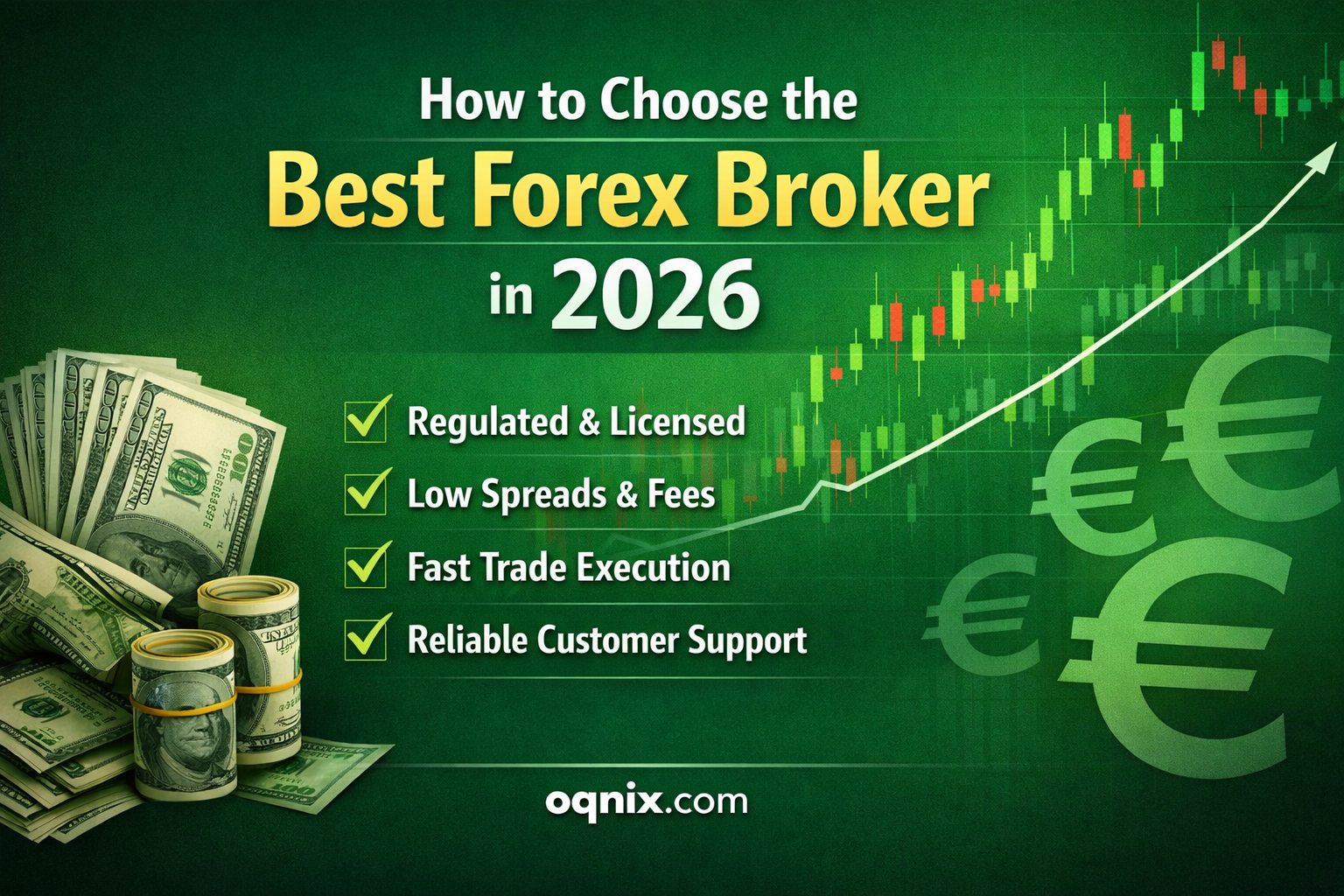
Choosing the best forex broker in 2026 requires careful evaluation of regulatory compliance, trading costs, platform quality, and customer support. For UAE traders, the combination of robust local regulation through DFSA, FSRA, and SCA, alongside tax advantages and strategic timezone positioning, creates an excellent environment for forex trading.
Remember that no single broker suits everyone—your ideal choice depends on your experience level, trading style, capital, and specific needs. Take time to research thoroughly, test multiple platforms through demo accounts, and verify all regulatory claims before committing your capital.
The forex market offers tremendous opportunities for disciplined, educated traders who approach it with realistic expectations and proper risk management. By selecting a reputable, well-regulated broker and committing to continuous learning, you position yourself for long-term success in this dynamic market.
Start your journey today by opening demo accounts with the brokers discussed in this guide. Experience their platforms firsthand, engage with their educational resources, and discover which broker aligns best with your trading goals.
Ready to start your forex trading journey? Visit oqnix.com to explore our comprehensive trading solutions and connect with the perfect broker for your needs.